
Dr. Donald E. Thompson believes in young people
A conversation about the importance of hope
Dr. Donald E. Thompson was hired as a consultant in 2006 to help Greater Texas Foundation establish its new structure as a charitable foundation and draft its first strategic plan. In 2014, he joined the board of directors and served through 2025, drawing on his research expertise to chair the board’s Strategy & Learning Committee.
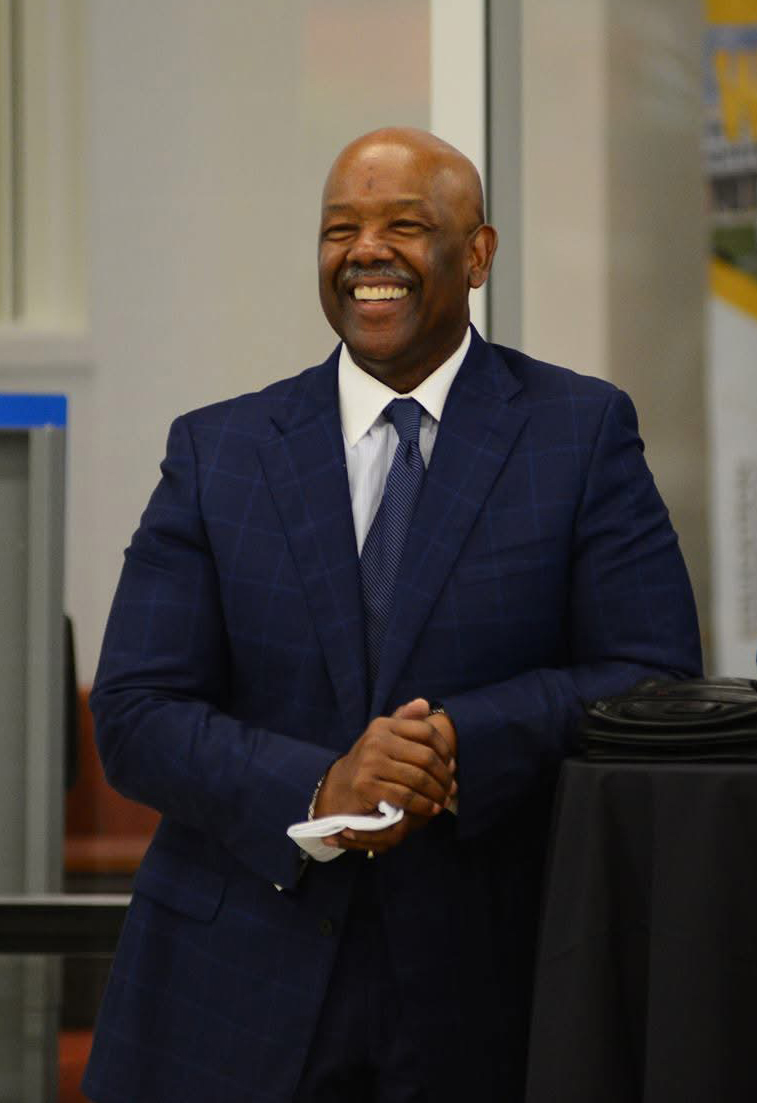
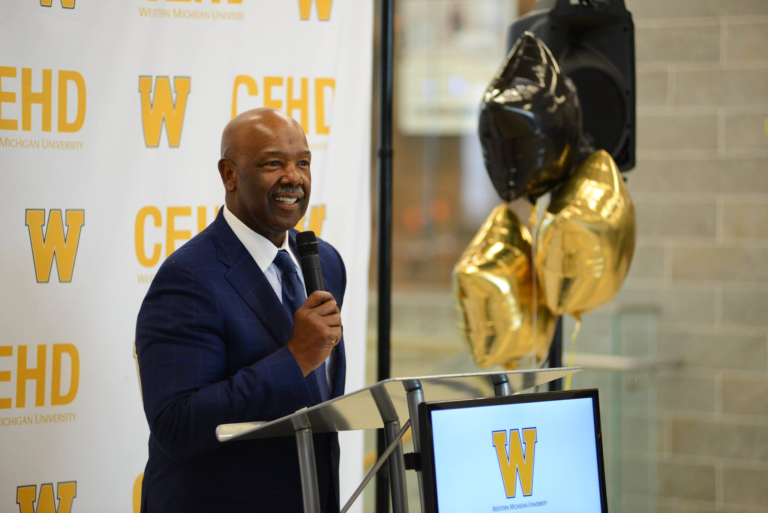
Dr. Thompson is a professor emeritus in the department of Educational Leadership, Research, and Technology at Western Michigan University, where he previously served as Vice President for Research/Dean of the Graduate College, and Dean of the College of Education. He began his academic career at the University of Michigan and held joint professorial appointments in Education and Urban Studies; he also directed PURA, an evaluative metropolitan research center. On the national level, he served as Division Director and Assistant Director of the Education and Human Resources Directorate for the National Science Foundation.
Today, Dr. Thompson continues to serve as a consultant to numerous foundations, public agencies, and Fortune 500 corporations. He lives in Chicago with his wife, Kathleen Wilson-Thompson, and their daughter Taylor.
In this interview, Dr. Thompson spoke about his belief in young people and the big problems Texas needs to solve to give all students hope for their futures.
What was it about the GTF mission that resonated with you?
The mission of Greater Texas Foundation has always been clear: to assist students in getting to and through a postsecondary credential. Their “big idea” was to develop systematic ways to assist students. So they set out to be a trusted partner and collaborate with “big idea” partners to expand their footprint and impact the state in a positive way.
Also, their board is both a learning board and a working board. The board has a reading list, the staff share current literature, they bring partners in to share knowledge, and they listen. That was important to me.
How did the strategic focus of the foundation evolve in the years you served on the board?
It hasn’t changed! They have always been about helping more high school students get to and through the baccalaureate. They want to collaborate, seek great ideas, bring partners to the table, share what works for students, create hope for students, and help students along the pathway. The focus is unchanging. GTF remains consistent and knows their role as a trusted partner. They don’t want accolades.
Creating hope is a powerful idea…
We have too many students without hope: rural students without internet service or science teachers, students who live in poverty who don’t believe they will ever “become,” white males dropping out of school and never knowing success, students who fear the impact of AI on their job prospects. How can we help them? How can we communicate with them and give them hope? Hope is critical to being a great state.
What are the accomplishments that you are most proud of during your tenure with GTF?
We brought people to the table to help make change. That’s why convenings are so important.
In the early days, CEO Wynn Rosser and the staff looked at the data that suggested that math education enhances high school graduation and success in college. They convened partners to talk about why math mattered and what to do with the data.
Later, we turned our attention to rural students. Most of Texas is rural which means small schools without infrastructure and limited resources. Greater Texas Foundation began a conversation about rural education and began to seed funding for rural education, and brought in others to help.
GTF has no ego. They bring people together, convince people they can do this, and at the end of the day, Texas becomes better.
How did your background in research inform your work with GTF and the Learning and Evaluation Committee?
Back in 2007, they needed good ideas to make Texas better. Wynn Rosser understood data and was a quick learner. I know how to make decisions based on information and I was in position to help them understand the data they needed to get better. The staff and board read deeply and want to know and learn. Wynn and current CEO Sue McMillin have not been afraid of what the data has to say.
What are your hopes for the foundation in the coming years?
I would say, “big problems require big ideas.” Look at the problems and come up with some big, collaborative ideas to make a difference. Put a big number of the right people around the problem. These problems are standing in the way of Texas becoming great. Come up with great solutions and leverage other people’s money to solve them.
As an educator, you must have met many students. Did any of them inform your work with the foundation?
I’ve been a public school English teacher, a principal, and a university professor and dean.
What informed my teaching still informs me today: young people know much more than we think they know. As parents and educators we need to believe in and trust our young people. I give students and people the chance to be great.
When I taught at the graduate level, on the first day of class I would tell my students, “You are all getting A’s because you are all A students.” Instructors wrongly believe students need to learn it all from them. I start by believing students will work collaboratively, find the tools they need, figure it out, and succeed. I believe in them.
You’ve had academic appointments in both education and urban studies. What is at the intersection of those two fields?
Urban planning is basically life–how do you make a place function so people are successful and happy in it. It’s that simple. You develop solutions around the needs that you have and then share them.
The two fields are at the intersection of living and teaching how to live. Life isn’t that hard. Just need to embrace learning and share it.
Schools have always been a certain way and now AI comes in. How will we organize our schools and civilization around that? I tell students they need to figure out the right way to ask AI the questions to get info they need. Then they realize, “It’s just like talking to Mom and Dad!”
“I believe people are much more capable than we think they are. We can’t help people if we think they are incapable or not worthy.”
Are you still consulting with other foundations and corporations?
Yes, I’m still working with foundations and municipalities. And doing more with my own family, having fun, and always traveling.
On the topic of balancing the obligations of work and fun, I think of a quote by Clint Eastwood: “If you can do more, you should.” I like helping people do better.