
reimagining
systems
Helping organizations evolve to serve today’s learners
annual report 2025
reimagining
systems
Helping organizations evolve to serve today’s learners
annual report 2025
EXECUTIVE LETTER
Many ways to build a future
The needs of learners have evolved in recent years. Students are balancing work and family responsibilities. Many are the first in their families to attend college. Others want a more direct path into the working world. At the same time, employers are seeking new skills, new credentials, and new ways to prepare for the future.
Across Texas, educational institutions are responding with creativity and resolve. They are redesigning first-year experiences, aligning education with workforce needs, building seamless transitions from high school to college, and expanding pathways for adult and rural learners. This level of systems change requires collaboration, data, persistence, and a willingness to adapt. The work is complex, but it is also full of promise.
Greater Texas Foundation funds institutions and organizations as they evolve—so more learners can succeed.
This report highlights partners who are reimagining how opportunity is delivered so more Texans can access credentials that lead to stability and mobility. We are investing in all postsecondary pathways—from workforce certificates to four-year degrees—because what matters most is that Texas learners find a path that works for them.
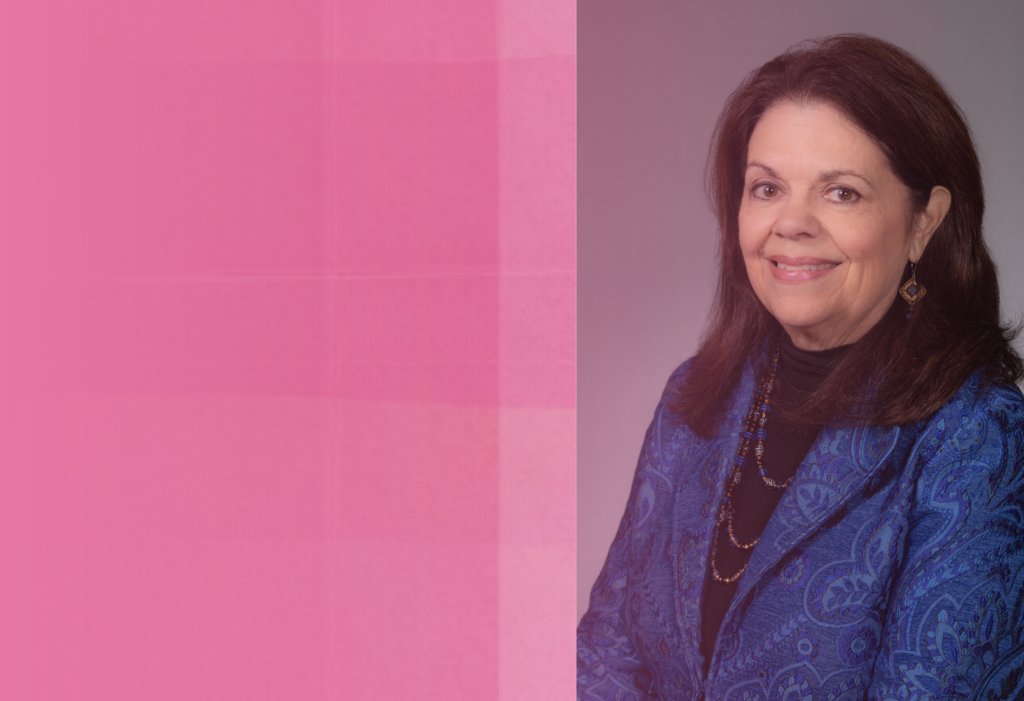
We are proud of our partners in Texas who are leading this work and grateful for their commitment to students and communities across our state. Together, we are building systems that reflect the world we are in—and expanding opportunity for the world ahead.
With optimism and a sense of momentum,
SUE MCMILLIN, PRESIDENT AND CEO
Partners in Change
Today, the creation of opportunity requires more flexibility, more alignment, and more imagination than ever before. Across Texas, learners are navigating work, family responsibilities, financial pressures, and rapidly changing workforce demands. The systems designed to educate them must evolve just as quickly.
That evolution is already underway. Our partners are redesigning pathways, strengthening connections between education and employment, expanding access for rural and adult learners, and embedding meaningful supports where students need them most. They are not just adding programs at the margins—they are reimagining the systems that support our students.
REALITY
REDESIGN
We are proud to support this work. The grants featured in this report reflect organizations that are building systems for the world we’re in—responsive, resilient, and rooted in the belief that every Texan deserves access to credentials that lead to stability, mobility, and a brighter future.
College Experience Transformation
Universities redesign the first two years
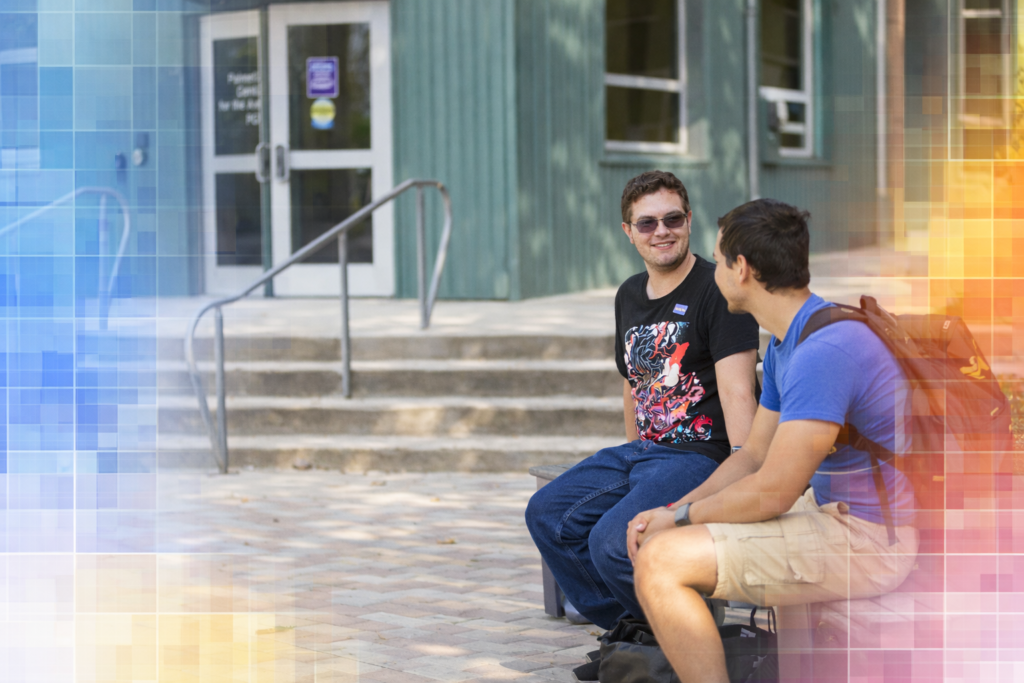
Over half of all college attrition occurs during the first two years—a period that can determine whether students persist or quietly step away from their aspirations, particularly low-income and first-generation learners. To address this pivotal stage, Greater Texas Foundation is supporting seven Texas universities through a partnership with the John N. Gardner Institute for Excellence in Higher Education.
Through the Texas Transformation Initiative, participating campuses will assess institutional capacity, redesign gateway courses and foundational experiences, and implement comprehensive, data-informed plans to improve first- and second-year outcomes. Guided by dedicated Gardner Institute relationship managers, institutions will align and harmonize their student success efforts to create lasting change.
Beyond individual campuses, this work is designed to generate case studies, publications, and shared learning to strengthen postsecondary systems across Texas and contribute to the national dialogue on institutional transformation
“What is most encouraging is the clarity and enthusiasm we are hearing from institutional leaders. Presidents and provosts are telling us that this effort does not feel like “one more thing,” but rather the thing that helps pull everything together — a signal that the work is addressing the real pain point of fragmentation and initiative overload. The combination of strong early execution, broad sector representation, and engagement with institutions serving today’s students gives us confidence that the approach is both scalable and relevant for fulfilling the promise of opportunity for all learners.
In short, the institutions are leaning in, the work is on schedule toward key milestones, and the shared desire to come together and learn as a cohort suggests we are building the kind of durable momentum that leads to sustained results.”
Andrew K. Koch, PhD | CEO
John N. Gardner Institute for Excellence in Higher Education
K-12 + Workforce Preparation
Education and workforce opportunities for adult learners and opportunity youth
In rural East Texas, persistent poverty, geographic isolation, and low levels of educational attainment have limited opportunity for many adults and young people seeking a second chance. Through a grant from Greater Texas Foundation, the Deep East Texas College and Career Alliance (DETCCA), with Jasper ISD serving as the backbone organization, is launching the Future Opportunities for Careers, Upskilling, and Success (FOCUS) initiative to expand access to high-demand workforce pathways and wraparound support. Building on an established regional partnership of six rural school districts and six higher education institutions, FOCUS will introduce new Registered Nurse and Lineman certification programs—developed in partnership with Lamar State College Port Arthur and Angelina College—while strengthening existing offerings in fields such as healthcare, public safety, transportation, and skilled trades.
Adult learners and opportunity youth will receive comprehensive supports including career counseling, FAFSA and financial aid guidance, access to digital devices, and job placement assistance to reduce barriers to completion.
By aligning education with regional workforce demand and deepening employer partnerships, DETCCA is creating a scalable rural model that reconnects adults to credentials, strengthens the local talent pipeline, and drives long-term economic vitality across the region.
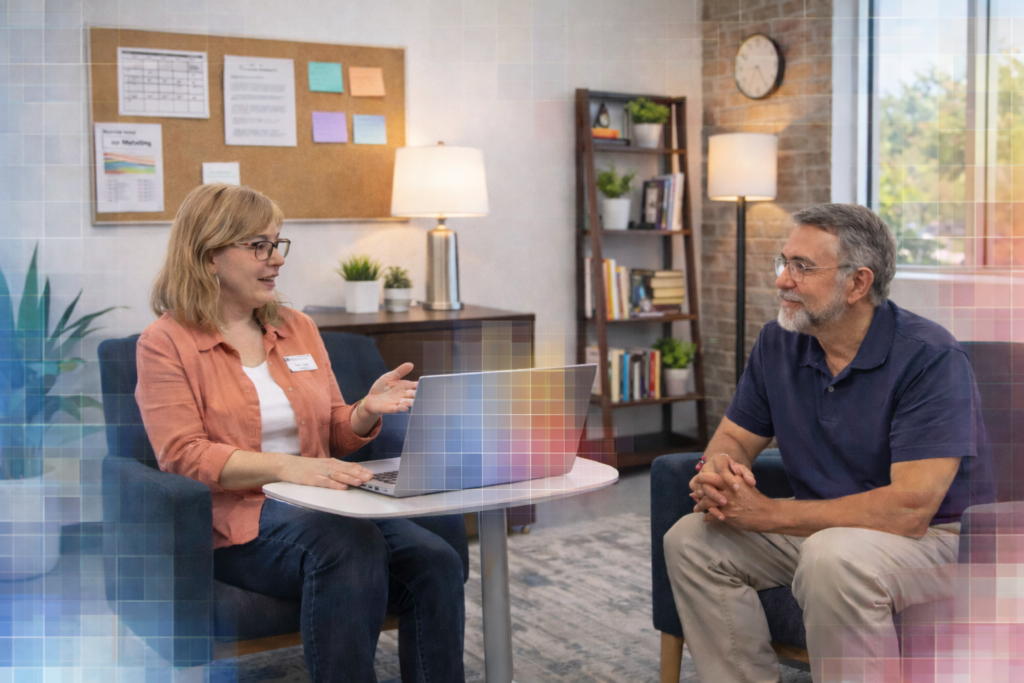
“One of the most promising aspects of the FOCUS initiative has been the strong engagement from adult learners returning to education when clear, locally accessible career pathways are available. The impact extends beyond individual advancement and into the communities we serve.
Recently, two graduates of our Police Academy—both retired educators—transitioned into law enforcement roles and responded to a medical emergency involving an elderly resident who was unable to access help. Their training enabled them to intervene safely and provide timely care. Moments like this show how workforce development not only creates opportunity, but strengthens rural community resilience.”
Nicole Colvin | DETCCA Director | Jasper ISD
Rural P-20 Alignment
Rural Pathway Excellence Partnerships expand to three new regions
Across rural Texas, hundreds of small districts serve students with big aspirations—but limited access to advanced coursework, career pathways, and industry connections. Districts with fewer than 1,600 students often lack the scale to offer robust college and workforce options on their own. With support from Greater Texas Foundation, Empower Schools is expanding a proven solution: Rural Pathway Excellence Partnerships (R-PEPs), a collaborative model that enables neighboring districts to share college and career pathways aligned with regional workforce needs.
Building on the success of the Rural Schools Innovation Zone in South Texas and the Permian Basin Innovation Zone — which helped inspire the passage of HB 2209 to support and expand the R-PEP model — Empower Schools will launch and implement three new R-PEP regions in the state. Through formal partnerships among K–12 districts, higher education institutions, and industry leaders, students gain access to dual credit, industry-recognized credentials, and work-based learning opportunities that would otherwise be out of reach. As new regions secure TEA designation to become R-PEPs and begin serving students, Empower Schools is also cultivating a statewide learning ecosystem to share best practices and strengthen sustainability. For Texas’ 600+ small school districts serving over 400,000 students, this collaborative model holds significant potential to reshape how rural communities deliver opportunity, ensuring geography no longer determines access to high-quality pathways.

“Texas now has the strong conditions in place for Rural Pathway Excellence Partnerships to scale. But what gives us the greatest sense of optimism is seeing communities step forward to bring these partnerships to life in their own context. Across districts, industry, and higher education, we are seeing shared ownership around ensuring rural students have access to high-quality college and career pathways that lead to real economic mobility. Hearing directly from students about how these collaborative pathways are opening doors reinforces that this work is sustainable — and an investment in rural Texas for generations to come.”
Alyssa Morton | CEO and Partner | Empower Schools
Employer-College Integration
Workforce Innovation and Apprenticeship Center connects systems
By 2036, nearly 70% of Texas jobs will require education beyond high school. In response, schools, colleges, employers, and community partners across San Antonio are working to create stronger, more connected pathways that help students move successfully from classroom to career. As demand grows in fields such as accounting, IT, advanced manufacturing, healthcare administration, and construction management, deeper collaboration across sectors can help more learners access opportunities and meet the region’s evolving workforce needs.
With support from Greater Texas Foundation, CAVALRY’s Workforce Innovation and Apprenticeship Center (CWIAC) is helping to build a more connected system. Acting as an intermediary among K–12 districts, higher education institutions, and industry partners, CWIAC integrates academic coursework, stackable industry credentials, and paid apprenticeships into a seamless degree-based model. Students can enter through high school, community college, or university pathways, earn credentials along the way, and graduate with a degree plus one to two years of verified professional experience. Designed to allow learners to pause and re-enter as life requires, the model creates flexibility without sacrificing momentum.
By aligning education with employer demand and embedding real work experience into degree programs, CAVALRY is demonstrating how coordinated regional partnerships can close attainment gaps, strengthen workforce readiness, and create a more resilient talent pipeline for Texas.
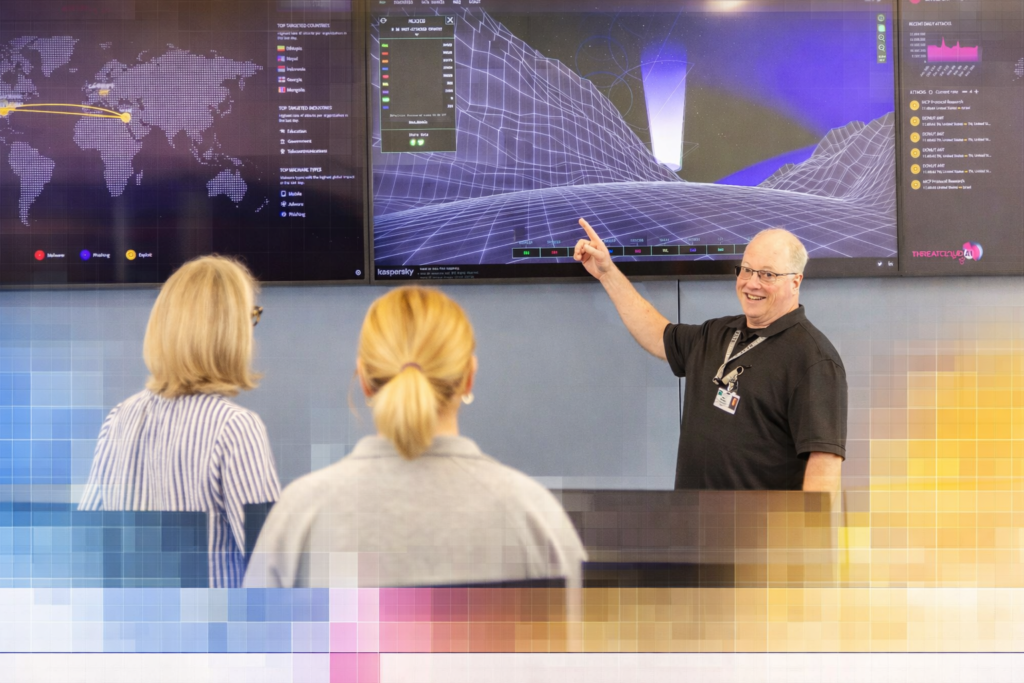
“In practical terms, success looks like a student completing their coursework while also working on real projects, earning industry-recognized credentials, and developing the skills employers are seeking. By the time they graduate, they already have a portfolio of work and real experience solving problems.
The excitement from students has been remarkable. They often say this feels like the missing piece in their education because they are finally able to apply what they are learning in meaningful ways.”
Tracie Edmond, PhD | Founder and CEO | CAVALRY
Opportunity Realized:
GTF Scholars
The rapid growth of Early College High Schools across Texas reflects a statewide commitment to helping more students—especially those who are first-generation or economically disadvantaged—bridge the gap between high school, college, and career.
Today there are more than 230 campuses are implementing or planning ECHSs.
The GTF Scholars program builds on this momentum by providing the holistic support students need to successfully transition from Early College into higher education. As a result, GTF Scholars persist and graduate at higher rates and take on less loan debt than their peers.
In the following interviews, two GTF Scholars share their journeys—and their hopes for what comes next.
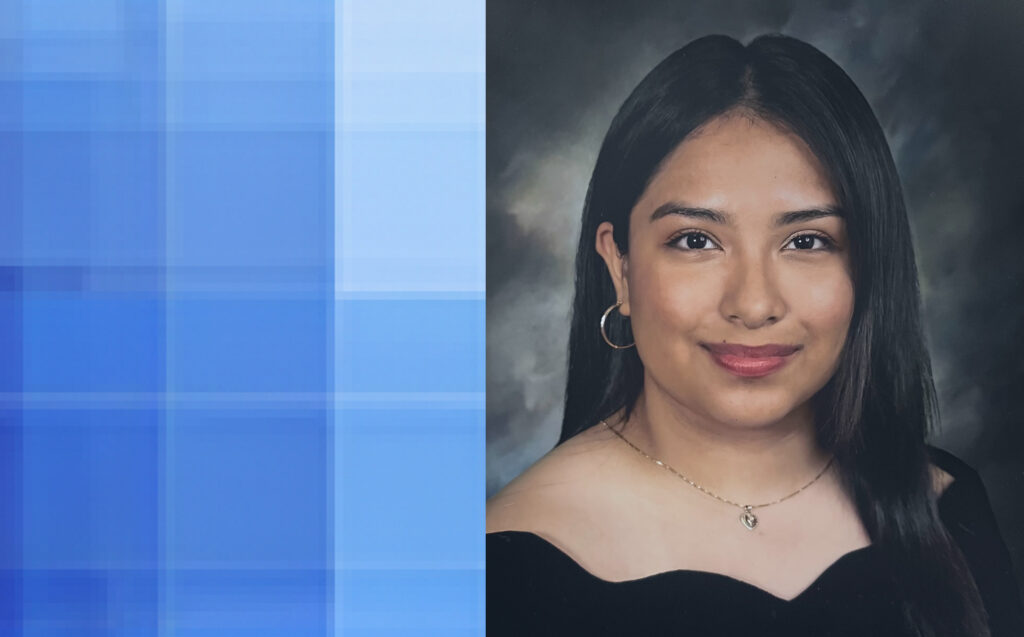
Meet Daisy Guillen
The University of Texas Rio Grande Valley
Majoring in Education: Early Childhood – 6th in Bilingual Studies
Graduating Spring 2027
Attended Brownsville Early College High School
Why is a college education important to you?
College has always been important in my family because neither of my parents had the chance to go. My dad graduated from high school, and my mom only had an elementary education in Mexico, but they showed me that if you work hard, you can still build a good life. They taught us humility and the value of effort.
Finishing college matters to me because of everything they sacrificed to support us. They always said, “We’ll work hard to get you where you need to be,” and that stuck with me. I’m proud that I already have my associate’s degree at just 20 years old, while most people are just getting started. That motivates me to keep going.
Why did you choose to attend an Early College High School?
My older brother graduated from Brownsville Early College, so I already knew what it could offer. It’s a small school where you know everyone, and you can really stand out as an individual. I also liked that we could take real college classes at UTRGV during junior and senior year, which helped me get comfortable on a college campus early—writing emails to professors, attending job fairs, and even cultural celebrations like Charro Days.
Most of my teachers were Hispanic and understood the struggles many of us faced. That made me feel seen and supported. I still keep in touch with some of them. Honestly, they inspired me so much! I never imagined I might become a teacher myself, but now that’s my goal—and I owe them so much.
What challenges have you faced in transitioning to college, and how did you get help?
I take pride in being young and almost done with my degree, but sometimes people assumed I didn’t know what I was doing because of my age. Over time, I realized that older students aren’t always wiser or more prepared, and that helped me trust in my own abilities.
When I entered my teaching program in fall 2025, I finally found people who were like-minded and motivated. There were still some doubters, but now I’m one of the top students in my class. My classmates trust me, ask me for help, and I’m the only one in my cohort who has passed the core subjects test so far. That gave me confidence in what I’m capable of.
How has being a GTF Scholar impacted your college experience?
I found support from Dr. Michael Aldape and Rose Pulido in the GTF Scholars office. They were always available and when I struggled, I knew I had someone to turn to. The GTF Scholars team became my main support system in college.
The monthly workshops connected us with resources like TRIO [Federal student service programs for individuals from disadvantaged backgrounds] and other campus services, and even small things—like access to supplies or snacks—made a big difference. Food on campus can be expensive, and sometimes having a snack helps you stay focused. Through GTF Scholars, I realized I don’t have to do this alone. I have a whole community supporting me as I work toward becoming a teacher, and now I get to support others too.
I also served as a student ambassador, welcoming new GTF Scholars, which made me feel valued and confident in my experiences.
What has been your favorite course in college?
My favorite class was my first bilingual education course. Last semester my mom had surgery, and I had to help at home while she recovered, which was stressful. My professor noticed both my potential and my struggles. He showed genuine care for me as a person, not just as a student.
That experience taught me it’s okay to be honest when you’re having a hard time. It also shaped the kind of teacher I want to be—an educator that cares about students authentically, not just aesthetically. I learned that from him. Real cariño—authentic care.
What do you do to relax and have fun?
I like shopping, working out, and trying new restaurants—right now my favorites are Surfing Crab and Texas Roadhouse. Spending time in my community helps me understand where my future students learn and grow outside the classroom. As a teacher you need to understand your students’ “funds of knowledge.”
I also enjoy simple things like going to the park, being somewhere with grass, away from screens, and just being present. It brings a sense of peace. Sometimes I go to the Gladys Porter Zoo, too. I really believe students need to depend less on screens and connect more with the real world.
What are you looking forward to in the coming year?
I’m hoping to be accepted into a one-year paid teacher residency program in my area, where I would co-teach with a mentor and gain hands-on experience in the classroom. I’m looking at programs in Los Fresnos or Harlingen. If the district likes your work, they often hire or recommend you.
I want to stay and teach in my community if I can. Brownsville is home, and I feel most connected here.
Is there anything else you’d like to add?
When I first became a GTF Scholar, I didn’t think I would use all the resources available, but once I started engaging, opportunities kept opening up. I realized Dr. Aldape wasn’t just a leader—he truly cared about students. He personally invited me to become an ambassador, and that meant a lot.
In GTF Scholars, I feel valued. They see my potential, and they helped me see it too.
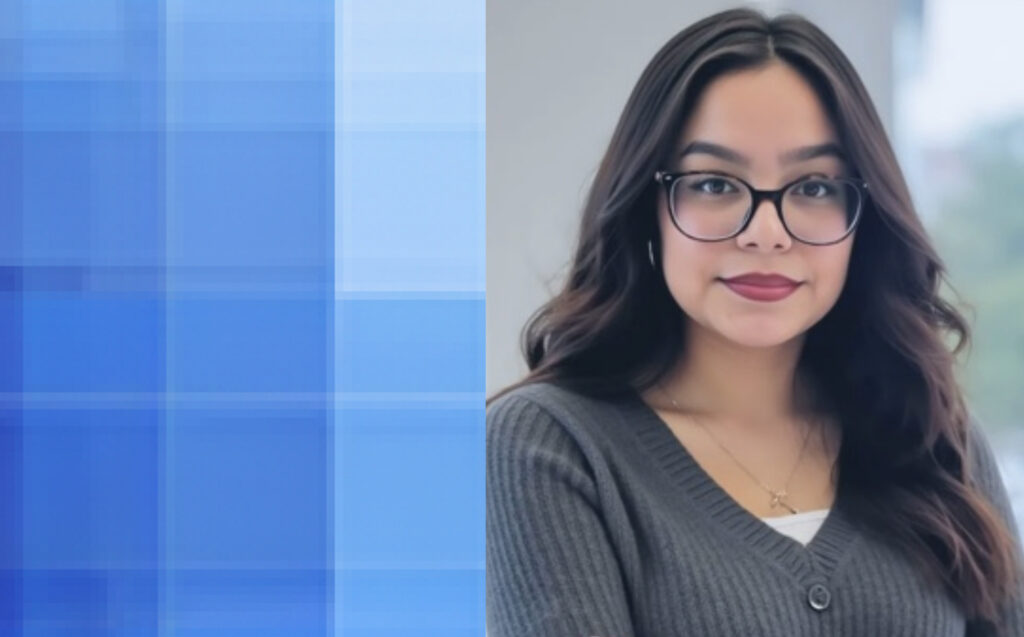
Meet Marisol Tovar
Graduated from Texas A&M University Central Texas in 2025
Majored in Sociology; Minored in Fine Arts
Attended Killeen Early College High School
Currently a graduate student in Speech Pathology at the University of North Texas
Why is higher education important to you?
I am only the second generation in my family to go to college. My parents instilled that college is important. Mom got her associate’s degree in California and Dad went into the Marines after high school because he had no one to guide him into college. After four years of service, he had funding to get his bachelor’s degree from Tarleton State, the same year I was born!
Getting an associate’s degree in high school seemed like a no brainer to me. And my brother went to Killeen ECHS before me.
What are some challenges you faced in navigating the transition to college?
I was 17, not even an adult yet! In high school, my counselor would choose my schedule. In college, I had to do all the planning myself. I was learning it on my own. I was always the youngest in my classes alongside people in their 30s and 40s. I knew I wasn’t the smartest in the room but finally realized we were all at the same place in our education journey.
How did being a GTF Scholar impact your college experience?
When I enrolled I was afraid I wouldn’t know anyone. At the first GTF Scholars meeting, I realized we had a small cohort and I recognized people from my high school. We quickly made connections and went to classes together. The monthly scholar meetings were a nice break from classes and studying and we learned interview skills, resume writing, and credit management. Those skills helped me be more professional and confident.
Also, the coordinator Ms. Natisha helped me with my social anxiety. By the end, I was speaking to large audiences. I even spoke to the president and college leaders about the Early College High School experience and the GTF Scholars program.
Can you share some successes you’ve had in college?
Well, I got over my social anxiety and got involved on campus. I went to all the GTF socials and community service events. And because I enjoyed my academic program, I got my best grades ever and graduated Cum Laude. In the Sociology program, I got to choose my research topics. I used to teach dance to children, so I focused my research on topics like Covid’s impacts on children and cyberbullying.
Tell us about your graduate program.
I’m now studying Speech Pathology. I want to work with young children who are on the autism spectrum or have trouble communicating. That choice was influenced by some of my nieces and nephews, who have signs of autism. They are smart but they are not communicating. I want to work in a school district or clinic.
For graduate school, I moved away from home and had no support system in Denton. The communication and money management skills I learned as a GTF Scholar helped me navigate in a new city.
What do you do to relax and have fun?
I just joined a folklorico dance club called Folx. In April, we will have a showcase for the school. I’m starting to meet people and build a community.
Do you stay connected with friends from your undergraduate experience?
Yes, we call ourselves the Core Five. One is a teacher, one is an intern at the White House, one owns her own flower shop and is getting a master’s degree in nursing, and one is finishing her bachelor’s degree and hopes to get a master’s. We send each other videos about ourselves and what’s happening in our lives.
More GTF Scholar Stories
Hear GTF Scholars from past cohorts reflect on their transitions from ECHS to college in this video.
2025 Grants: Supporting Opportunity Statewide
In 2025, Greater Texas Foundation’s board of directors approved 56 grants for a total of $12,359,366 in new funding to improve postsecondary outcomes for Texas students.
GRant Activity
Grants Approved in 2025
Efficient Pathways
CAVALRY’s Workforce Innovation and Apprenticeship Center ($540,000) To support the expansion of CAVALRY’s Workforce Innovation and Apprenticeship Center (CWIAC), a scalable, degree-based apprenticeship model that bridges high school, college, and career through integrated academic instruction, industry-recognized credentials, and paid work-based learning. (Center for Acknowledging the Values Accomplishments and Lives of Our Remarkable Youth)
Texas Work-Based Learning Consortium ($300,000) To support the Texas Work-Based Learning Consortium, a three-year initiative to integrate work-based learning opportunities into the curriculum at 10 independent colleges and universities across Texas. (Council of Independent Colleges)
Project Kickstart ($500,000) To support Project Kickstart, a collaboration between IDRA and Region One Education Service Center to extend Early College High School and Pathways in Technology Early College High School opportunities to students and document a replicable model for regional and statewide use. (Intercultural Development Research Association)
Economic Mobility in Texas Higher Education Institutions ($365,000) To support four case studies of higher education institutions in Texas that are successful in achieving economic mobility for low-income students. (Public Agenda, Inc.)
Institutional Transformation Through the Talent Strong Texas Strategy ($1,800,000) To support the Texas Success Center’s (TSC’s) Talent Strong Texas strategy, a statewide initiative that strengthens institutional capacity across Texas community colleges to improve student outcomes and economic mobility. (Texas Community College Education Initiative)
The Texas Transformation Initiative Phase I — Transforming the Foundational Postsecondary Experience ($1,144,898) To support the Gardner Institute in work with 4-6 four-year postsecondary institutions to create and implement plans that transform the foundational postsecondary experience, leading to systems-level change that, in turn, significantly improves retention and completion outcomes. (The John N. Gardner Institute for Excellence in Undergraduate Education)
Understanding the Architecture of Policies that Identify, Assess, and Place English Language Learners in the Community College ($195,091) To support an empirical mixed methods research study centered on English language learners (ELs) in community college. (The University of Texas at Dallas)
Student Supports
Advancing Student Success Through Embedded Learning Support Services ($416,634) To support an innovative student support pilot project, combining embedded services offered by the Austin Community College District, Embedded Tutoring, Academic Coaching, and Supplemental Instruction, into a cohesive program. (Austin Community College District)
2025 Brazos Valley Gives – Matching Funds for Participating Brazos Valley ISDs and Education Foundations ($45,000) To support Brazos Valley independent school districts participating in the annual Brazos Valley Gives Day. (Community Foundation of the Brazos Valley)
E3 Alliance CenTxCAN-2027 ($295,363) To support the E3 Alliance Central Texas College Attainment Network 2027 Initiative to enhance coordinated co-advising direct services, establish shared learning communities, and collectively advocate for regional practices. (E3 Alliance)
2025 Invitational Fall Convening ($5,000) To support the 2025 Invitational Fall Convening. (Excelencia in Education, Inc.)
Caring Campus Annual Conference 2025: Building a National Culture of Care ($5,000) To support the Caring Campus Annual Conference 2025. (Institute for Evidence-Based Change)
Caring Campus Regional Collaboratives: A Plan To Connect Colleges and Universities in Three Texas Regions ($91,742) To support the planning efforts to successfully develop action plans to implement Caring Campus regional collaboratives in Kingsville, Central Texas, and San Antonio. (Institute for Evidence-Based Change)
Advancing Postsecondary Access and Support for Rural and Remote Students ($281,990) To support the efforts of the OneGoal Texas Partnerships & Growth team in partnership with the Texas Impact Network (TIN), as they continue to cultivate relationships with districts statewide, primarily to facilitate participation in the OneGoal Leadership Network, a systems-level program for postsecondary readiness assessment and improvements for district leaders, educators, and counselors. (OneGoal)
Enhancing College Completion with AI-Powered Element451 ($210,991) To support Panola College’s vision of implementing Element451, a comprehensive CRM platform designed to enhance student engagement and success. (Panola College)
Academic Care and Resiliency ($458,101) To support the expansion of comprehensive wraparound services for postsecondary success. This holistic approach addresses critical barriers for first-generation and low socioeconomic students by teaching resiliency skills at key transition points. (Sam Houston State University)
Apps for Good STEM Program ($10,000) To support the Apps for Good STEM program, a STEM project-based learning program that brings high school and college students together to develop software applications to drive positive social change, for Summer 2025. (Teamup)
Texas A&M Summer 2025 Academic Camp Sponsorship for Local Students ($10,000) To support first-generation, low-income students in the Brazos Valley by providing access to high-quality academic summer camps at Texas A&M University. (Texas A&M Foundation)
Effective Practices for Addressing Student Unmet Financial Need ($490,846) To support The Education Trust in Texas to analyze data from multiple sources (including previous HEER research, data resulting from HB 8 and HB 1361, THECB’s Student Success Program Inventory, etc.) to identify, publish, and promote promising strategies from Texas colleges supporting student persistence and completion by addressing financial and basic needs insecurity. (The Education Trust)
University of Houston College of Liberal Arts and Social Sciences 2+2 Pathways ($377,752) To support a pilot 2+2 program to facilitate the seamless transfer of students from Texas community colleges to the College of Liberal Arts and Social Sciences (or CLASS) at University of Houston. (University of Houston)
Data-to-Action for Parenting Students in Texas ($454,812) To support Texas public colleges to join the Data-to-Action Campaign for Parenting Students Texas cohort. This work will tangibly improve data collection and supports for parenting students. (Urban Institute)
Rural Collaborations
Pathways to Prosperity: Supporting Adult Learners and P-TECH Students in Rural Texas ($1,118,985) To support the expansion of year 13/14 completion pathways within CEN’s P-20 model, providing rural students with a seamless transition from high school to postsecondary education and workforce training, and strengthen the Edu-REACH adult learning program, which connects young adults to similar career pathways through hybrid learning, coaching, and employer partnerships. (Collegiate Edu-Nation)
Scaling and Launching Rural Pathway Excellence Partnerships across Texas ($750,000) To support the expansion of the Rural Pathway Excellence Partnership (R-PEP HB 2209) model throughout Texas by supporting planning regions with access to technical assistance and start-up operating funds to fill the gap in current public funding streams. (Empower Schools, Inc.)
Future Opportunities for Careers, Upskilling, and Success (FOCUS) ($550,137) To support Future Opportunities for Careers, Upskilling, and Success (FOCUS), a new initiative led by the Deep East Texas College and Career Alliance. FOCUS will give adult learners and opportunity youth in rural East Texas better access to workforce training programs that lead to good-paying jobs. (Jasper Independent School District)
Rural Strategies Conference Track for the 2025 National Conference ($30,000) To support the Rural Conference Track at NCAN’s 2025 National Conference. (National College Attainment Network)
Temple College Rural CTE Coop (the Coop) ($888,691) To support a collaborative Dual Credit Career and Technical Education (CTE) model for rural schools which will allow rural districts to share programs, faculty, equipment and sometimes a location. Opportunities will be maximized by providing new programs as they become available, uniquely growing each district’s dual enrollment program according to students’ and parents’ interests. (Temple College)
Assessing the Impact of Outcomes-Based Funding on Rural Community Colleges: Insights from Texas House Bill 8 ($300,000) To support a three-year evaluation of Texas House Bill 8 (HB 8), the state’s outcomes-based funding model for community colleges. This project will examine how the new formula affects rural institutions and the students they serve. (Texas Tech Foundation, Inc.)
Rural Pathways Leadership Curriculum ($524,950) To support the development and delivery of a professional development curriculum for the Rural Pathways project. (The Aspen Institute, Inc.)
Direct Aid Legacy
Emergency Aid and Technical Assistance for Texas Community Colleges: Continued Support for Cohort 1 ($10,000)
Greater Texas Foundation provided continued support to promote sustainability of the Emergency Aid Programs and honor the dedicated work of Cohort 1 of the Emergency Aid and Technical Assistance for Texas Community Colleges.
- College of the Mainland (College of the Mainland Foundation)
- Galveston College
- Lee College (Lee College Foundation, Inc.)
- McLennan Community College (McLennan Community College Foundation)
- North Central Texas College (North Central Texas College Foundation, Inc.)
- Northeast Texas Community College (Northeast Texas Community College Foundation, Inc.)
- Panola College
- Texas Southmost College
- Vernon College (Vernon Regional Junior College Foundation, Inc.)
- Victoria College (Victoria College Foundation, Inc.)
Other
2025 Cradle 2 College Conference ($2,000) To support the 2025 PSJA Cradle to College Conference (Pharr San Juan Alamo Independent School District)
2025 CAEL (Council for Adult and Experiential Learning) National Conference ($5,000 To support CAEL’s 2025 National Conference (Strada Education Foundation, Inc.)
2025 Texas Higher Education Leadership Conference ($5,000) To support the Texas Higher Education Leadership Conference, Higher EDge 2025 (Texas Higher Education Foundation)
Texas SNAP E&T Convening: Strengthening Workforce & Community College Partnerships ($5,000) To support the Texas SNAP and E&T Convening: Strengthening Workforce & Community College Partnerships (Strada Education Foundation, Inc.)
Memberships
2025 Support ($1,433) To support the foundation’s 2025 membership dues to Grantmakers for Education. (Grantmakers for Education)
2026 Support ($2,400) To support the foundation’s 2026 membership dues to Grantmakers for Education. (Grantmakers for Education)
2026 Membership ($2,250) PEAK Grantmaking is a member-led community of philanthropy professionals dedicated to advancing effective grantmaking practices. This grant supports the foundation’s 2026 membership. (PEAK Grantmaking, Inc.)
GTF Educational Matching Grant Program
GTF Educational Matching Grant Program 2025 ($75,300) This program is meant to encourage giving by Greater Texas Foundation officers, board members, external committee members, managers, and employees to educational institutions or organizations supporting education through scholarships or programs related to any of GTF’s strategic goals. The foundation will match contributions up to $5,000 on a 3:1 basis.
- East Texas A&M University Foundation (2)
- Howard Payne University
- Northeast Texas Community College Foundation, Inc. (2)
- San Jacinto Community College Foundation (2)
- Southwestern University
- St. Edward’s University
- Stephen F. Austin State University
- Texas A&M Foundation
Our Commitment to the Future of Texas
Expanding opportunity isn’t simply about adding more programs. It’s about strengthening and reimagining the systems that make those programs work for the learners they are meant to serve. As students’ lives evolve, and as Texas’ economy continues to grow and change, our educational institutions are rising to meet the moment with creativity, courage, and care.
At Greater Texas Foundation, we believe deeply in the capacity of our partners to adapt and lead. This 2025 Annual Report demonstrates systems change grounded in respect for students and confidence in the enduring value of postsecondary education in all its forms.
In 2026, the foundation will take time to commemorate our 25 years of grantmaking! We’re proud of the work we’ve done alongside grantees and partners and optimistic about what lies ahead. We remain committed to thoughtful funding, support for innovation, and the sharing of knowledge across regions and sectors—so that the systems of opportunity in Texas continue to grow stronger, more inclusive, and more responsive to the world we’re in.
The future is arriving quickly. We look forward to building it together.
About Greater Texas Foundation
Vision Greater Texas Foundation’s vision is for all Texas students to have equal opportunity to access and succeed in postsecondary education.
Mission Greater Texas Foundation supports efforts to ensure all Texas students are prepared for, have access to, persist in, and complete postsecondary education. We put particular focus on helping underserved and socioeconomically disadvantaged populations. We pursue our mission by forming partnerships, supporting research, sharing knowledge, and making grants.
2025 Board of Directors
Ralph Rushing, Chair
A.D. James, Jr., Vice Chair
Bill Youngkin, Secretary, Audit & Accountability Committee Chair
Dr. Alonzo Sosa, Charitable Activities Committee Chair
Dr. Donald Thompson, Strategy & Learning Committee Chair
Janet Handley, Finance & Investment Committee Chair
Dr. Mary Hendrix
Judy Holt, Director
Dr. Terry Jones, Director
2025 Advisors
Tina Gridiron, Advisor to the Strategy & Learning Committee
2025 Staff
Sue McMillin, President & CEO
Erin Arnold, Manager of Accounting (as of February 2025)
Amber Bass, Chief Financial Officer (through February 2025)
Leslie Gurrola, Vice President of Programs & Strategy
Nancy Mader, Office Manager
Bree Miller, Programs & Strategy Associate
Carol Miller, Director of Grants Management
Dr. Andrea Robledo, Programs & Strategy Officer
Chris Woodruff, Learning & Evaluation Officer
Whitney Wakefield, Accountant
2025 Student Assistants
Athena Gonzales
Makenzie Jett
Lam Ngo
Emma Powell
Molly Seal